

Tesla is NOT a car company
What Elon Musk is building is far bigger and most people still don’t see it coming...
Here is a short 5 dot point summary of my thoughts…
Most people think Tesla is just a car company but it’s really an AI and robotics company.
What Elon Musk is doing isn’t random or eccentric, all of his projects connect into one bigger vision of building the future.
The Boring Company isn’t some tunnel gimmick, it is the infrastructure you’d actually need if humanity is serious about living on Mars.
Starlink and SpaceX aren’t hobbies either, they’re about communications, and making space exploration real again through engineering, not bureaucracy.
Neuralink fits into the same story, it’s about human survival and advancement.
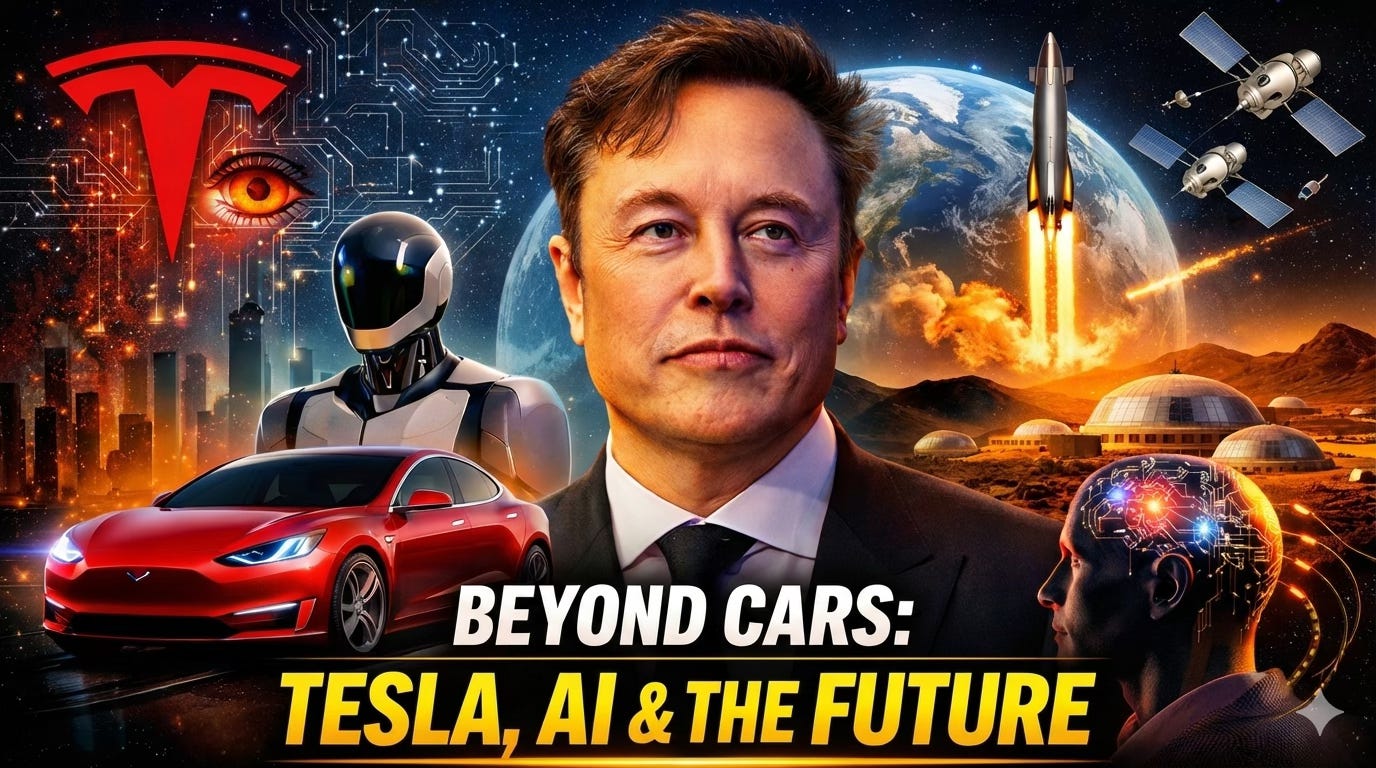
Most people mistakenly think Tesla is a car company. That’s what happens when you glance at a logo, nod politely, and stop thinking. In reality Tesla is an artificial intelligence and robotics company masquerading as a car brand, much like Shakespeare masqueraded as a playwright instead of a civilisation defining mind.
The cars are incidental. The AI is the point. Tesla is not about getting you from Point A to Point B. It’s about autonomy. It’s about machines that see, interpret, decide, and act in the real world. The vehicle is simply the training ground, the rolling laboratory for something much larger, intelligence embedded into physical reality.
And this is the pattern with Elon Musk. People keep treating his projects as eccentric billionaire hobbies because they are incapable of recognising coherence and competence when it stares them in the face.
We live in a culture that no longer builds so when someone does we don’t know what to make of it.
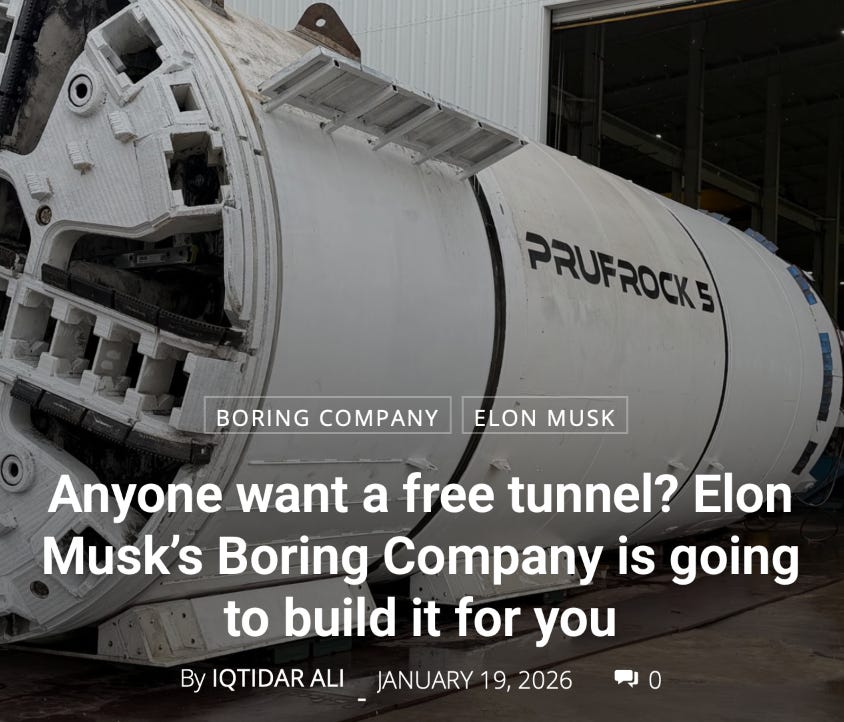
The Boring Company isn’t about novelty tunnels for bored elites. It’s not a gimmick, it’s not a vanity project, it is groundwork for another world. Because if you are serious about making humanity multi planetary you don’t just need rockets you need infrastructure, you need transport systems, you need shelter. You need cities that can survive radiation, dust storms, and a hostile surface.
And what is the most obvious solution on Mars? You build underground, you tunnel, you carve out protected arteries beneath an alien planet, the foundations of a future civilisation.
The modern bureaucratic mind sees a tunnel and thinks traffic management, Musk sees a tunnel and thinks MARS! Earth is the testing ground, Mars is the destination.
Starlink meanwhile isn’t a quirky satellite hobby, it is a global communications grid that works over oceans, in war zones, in disasters and crucially, beyond Earth. It is sovereignty in orbit. A decentralised nervous system for civilisation, beyond the reach of petty regulators and ideological commissars.
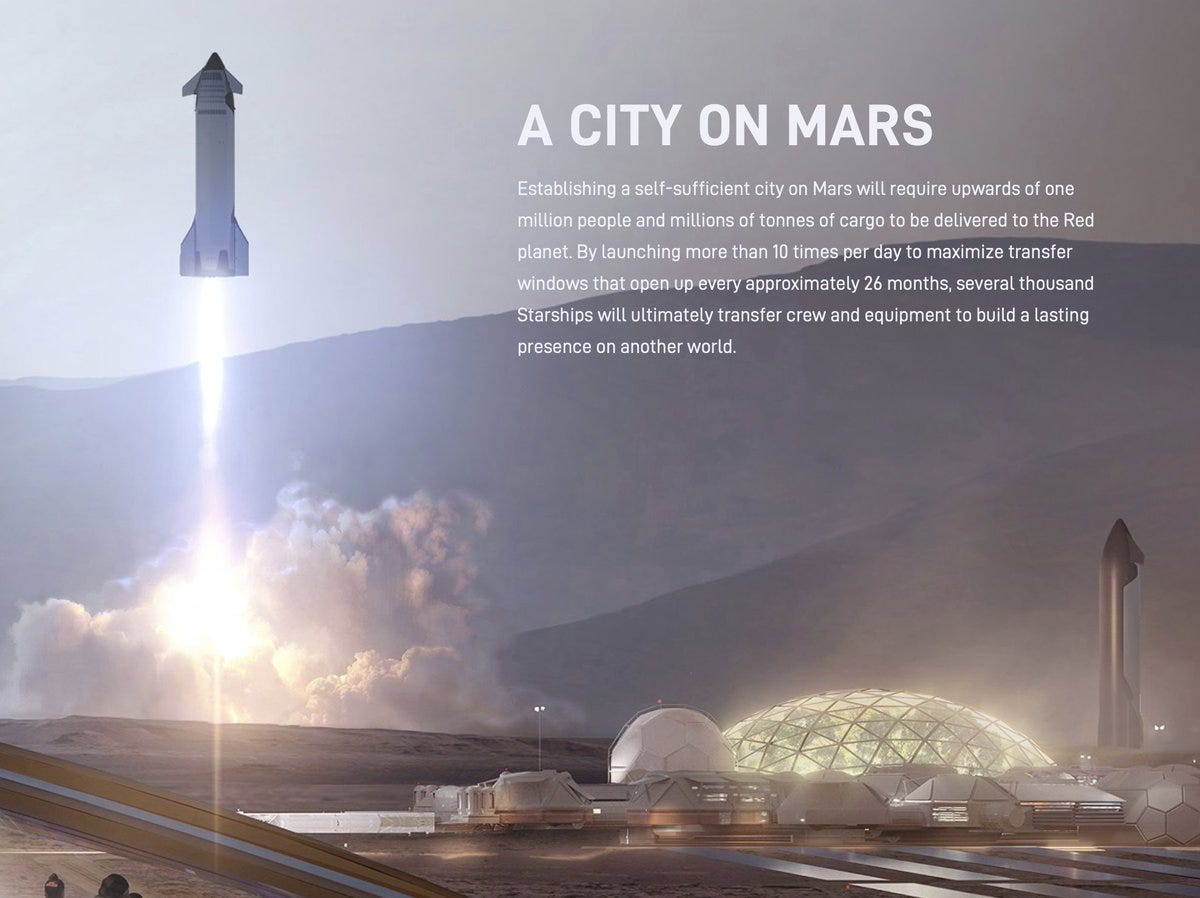
And SpaceX? SpaceX isn’t a “private space company.” It is the only organisation on Earth reliably sending rockets into orbit and landing them back on the ground like something out of science fiction, that alone should have ended the conversation.
NASA became a museum, space became a Power Point presentation and governments turned the frontier into a diversity seminar but Musk turned it back into engineering, back into industry, back into destiny. He has been explicit about the goal, making humanity an interplanetary species.
Not as a branding exercise, as a civilisational insurance policy, because a species confined to one planet is a species living on a single point of failure.
One asteroid. One catastrophe. One collapse.
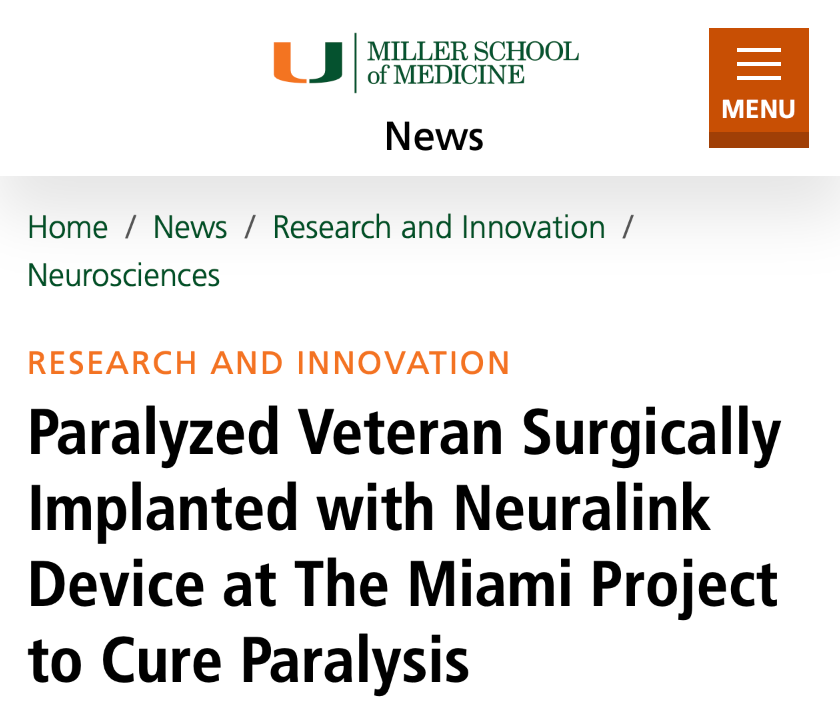
And this is where Neuralink enters the story, the project that reliably sends social media into conniptions. The usual hysteria follows, dystopian fantasies, mind control, “Black Mirror” slogans from people whose entire relationship with technology begins and ends with scrolling. But Neuralink is not about tyranny, it is about survival because becoming a spacefaring civilisation is not just a question of rockets and tunnels.
It is a question of the human body itself. How do you restore movement to the paralysed? How do you restore sight to the blind? How do you extend cognition, communication, and capability in environments where the margin for error is zero?
Technology itself is not evil, it is not some moral contaminant that automatically leads to dystopia. The internet has connected billions of people, mobile phones have saved lives and democratised information, modern medicine has turned once fatal conditions into inconveniences. These are tools, powerful, world shaping tools. And like every tool in human history, what matters is not their existence but their use, a hammer can build a home or crack a skull. The question has never been whether technology is dangerous, the question is whether civilisation is wise enough to wield it well.
The printing press once terrified the authorities, electricity was once considered unnatural, anaesthesia was called immoral, every leap forward is first greeted as heresy by those whose entire identity is invested in keeping the world small.
None of this is random, none of it is disconnected, Musk is not going from one shiny object to another, he is building the future.
Energy. Transport. Communications. AI. Cognition. Space. The pieces interlock, the vision is coherent. Whether you like him is irrelevant, whether you understand what he represents is the point.
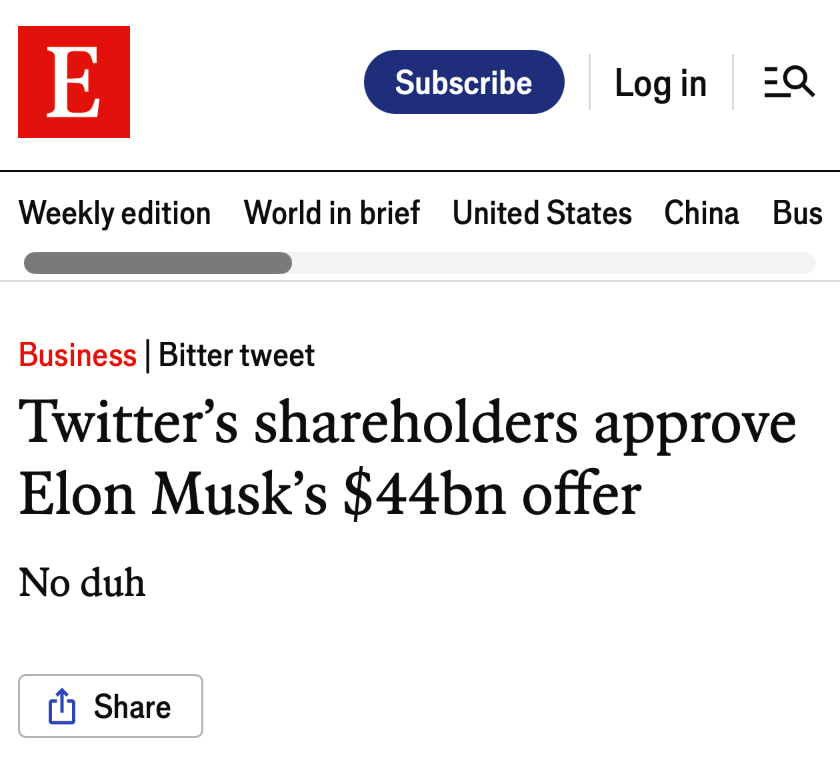
And yet log onto X and you will find an endless supply of people calling him an idiot, this is one of the great spectacles of modern Western life, critics using a platform he bought for billions to sneer at his intelligence between retweets and profile picture activism.
It’s like heckling Michelangelo from the scaffolding of the Sistine Chapel. It’s like mocking Edison by candlelight. It is resentment dressed up as sophistication.
Every company Musk has touched has become a world changing enterprise. Not a podcast, not a consultancy, not a taxpayer funded NGO producing “awareness.”
Actual companies that build things, employ people, and shift the trajectory of civilisation. Meanwhile, his loudest critics have built precisely nothing, except perhaps a following devoted to explaining why ambition is suspicious and greatness is “problematic.”
This is the modern Western reflex, mock the builder, mistrust the visionary but worship the bureaucrat that has never achieved a thing of value for anyone. EVER.
We have reached the point where imagining the future is considered arrogance and attempting to build it is grounds for moral indictment. Safer, apparently, to stagnate politely than to risk greatness loudly. Safer to issue press releases than to pour concrete. Safer to regulate than to innovate. Safer to sneer than to strive.
Civilisations do not collapse because they lack critics, they collapse because they lose their nerve, because they forget how to do great things, because they replace courage with compliance, aspiration with administration, frontiers with feelings.
You don’t have to like Elon Musk, you don’t have to agree with him on everything, but if you cannot recognise a once in a generation visionary when one is openly, messily, relentlessly building the future in front of you then problem isn’t Musk. It’s you!!!
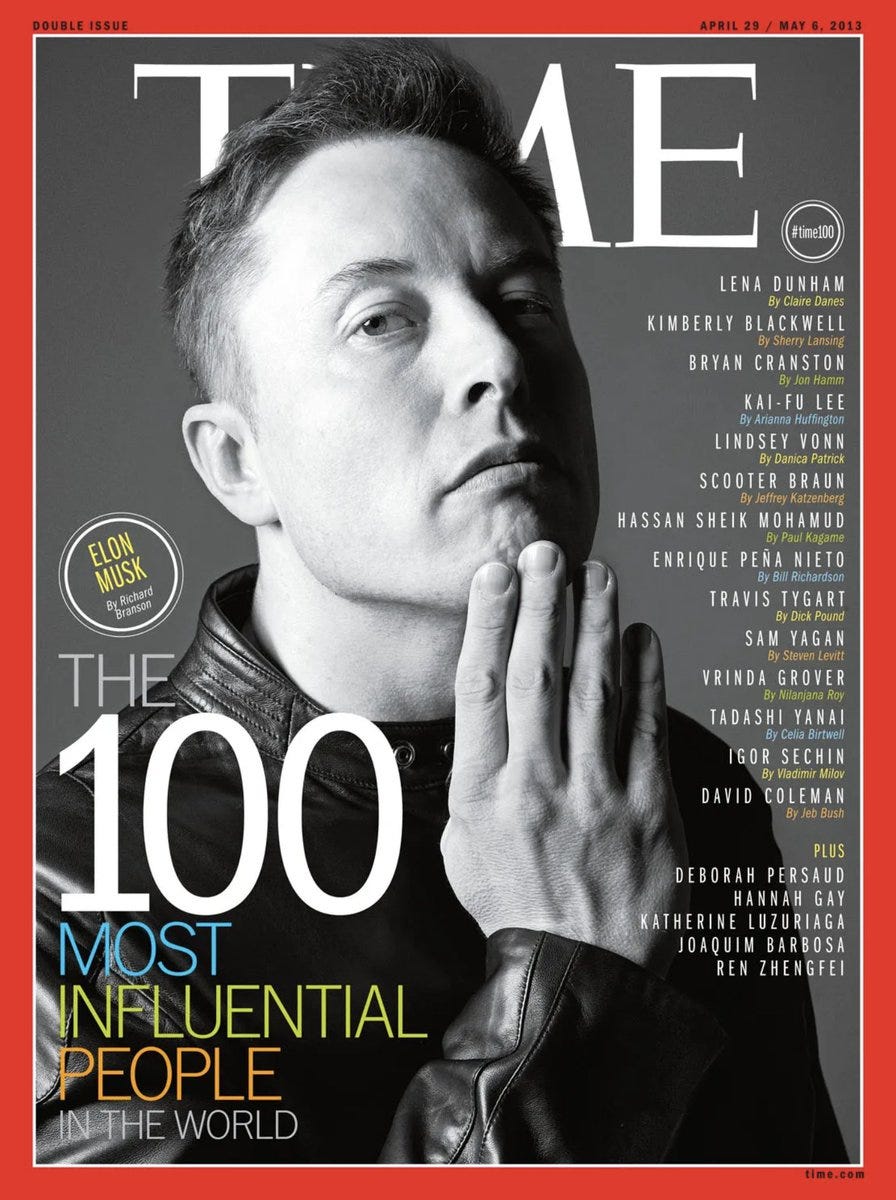
It’s time people stopped booing from the cheap seats, it’s time they stopped worshipping safety as the highest virtue, it’s time they remembered that civilisation is not built by the timid.
The future does not belong to the sneering, it belongs to those still brave enough to aim for the stars.
Senator Ralph Babet, Senator for Victoria, United Australia Party.
Do me a favour and if you’re not already, subscribe to my YouTube channel here:
We were once a proud, adventurous civilisation. We built things. We explored. We discovered. Now we do none of that. We’re becoming a dying, nihilistic species. It’s time to revive the human spirit. There has to be more than just working, complaining online, and then dying. We need purpose. We need meaning. We need reasons to get up in the morning. It’s time to live again. Let's goto the stars.
Please hurry up and join One Nation.
It’s really important to unite the right!